How gelato actually differs from ice cream
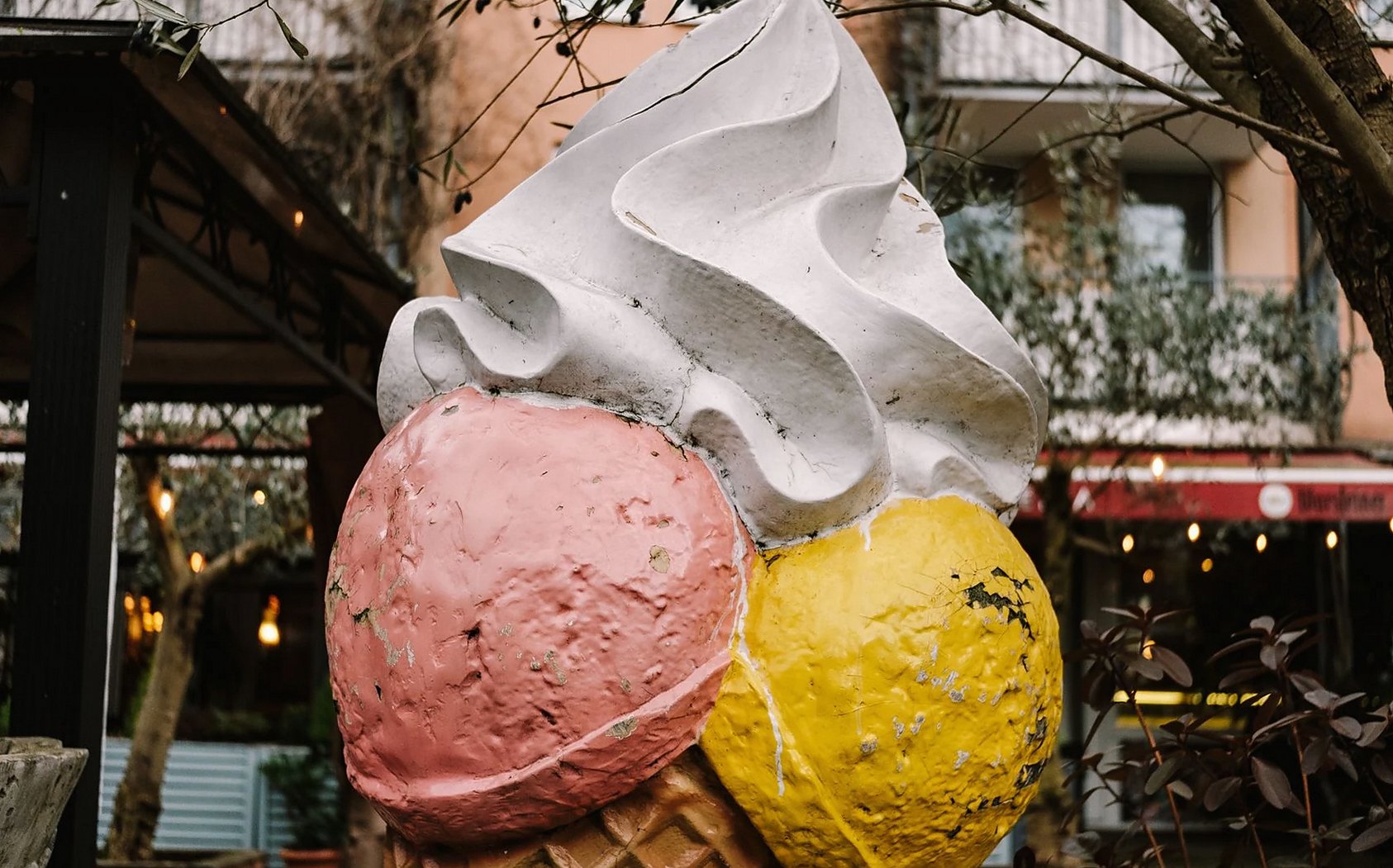
Most people know that gelato is Italian and ice cream is not, and that gelato is somehow denser. Beyond that, the explanation tends to get vague. The actual differences come down to three measurable things: how much fat is in the base, how much air is churned in, and at what temperature the product is served. Each of those choices produces a different result in the mouth.
Fat content and what it does to texture
Standard ice cream in Japan typically uses cream with a fat content of 8% or higher, often closer to 12-14% in premium products. Gelato bases use whole milk as the primary liquid, with cream added in smaller amounts. The fat content of a typical gelato base sits between 4% and 8%. Lower fat means the base freezes differently. It is denser and less aerated, and the flavour of whatever you have added (fruit, nut paste, chocolate) comes through more directly because fat coats the palate less.
This is why a pistachio gelato tastes more intensely of pistachio than a pistachio ice cream made with the same paste. The fat in a high-cream base mutes the flavour slightly. With gelato, there is less insulation between the ingredient and your tongue.
Overrun: the air question
Overrun is the industry term for how much air is incorporated during churning. A standard commercial ice cream can have an overrun of 50-100%, meaning the finished product is 50-100% larger in volume than the liquid mix you started with. Gelato typically runs at 20-35% overrun. At Bright Moon Hub, the batches come out at around 25%.
Less air means a heavier, denser product. It also means the gelato melts faster at room temperature, which is one reason gelato is served at a slightly warmer temperature than ice cream. And why it needs to be eaten relatively quickly once it is in the cone.
Serving temperature and why it matters
Ice cream is typically stored and served at around minus 18 degrees Celsius. Gelato is stored colder (around minus 20 to minus 22 in the display case) but served at minus 10 to minus 12, which is why a good gelato shop will have a covered display case rather than an open one. The gelato needs to be brought up to serving temperature gradually.
At minus 10 to minus 12, gelato is soft enough to scoop cleanly and warm enough that the flavour compounds are volatile and detectable. Serve it too cold and it tastes of very little. Serve it too warm and it loses its structure before it reaches the counter.
If you want to see how these principles apply in practice, the current menu at Bright Moon Hub is a reasonable place to start. Particularly the fior di latte, which has nothing to hide behind.